


Extreme Weather Impact on Urban Trees: Risks, Precautions and Community Response
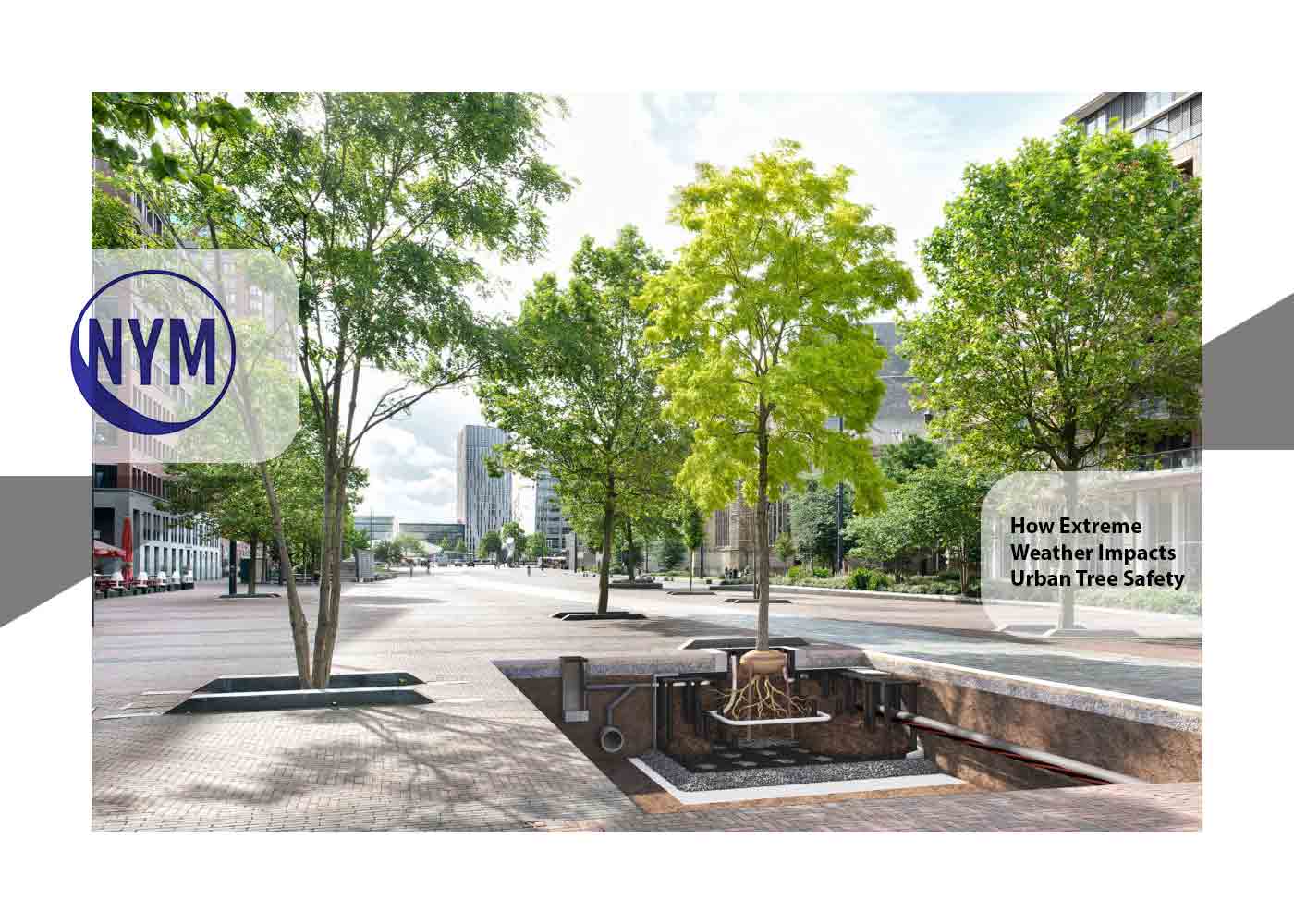
The Relationship between Weather and Tree Health
Urban trees are integral to city landscapes, offering shade,
reducing air pollution, and improving overall quality of life. However, trees
are vulnerable to a range of weather conditions that can profoundly affect
their health and structural integrity. Whether a city experiences prolonged
drought, heavy rainfall, or strong winds, understanding the effects of weather
is crucial for effective tree care and risk reduction. When trees are subjected
to weather extremes, they may sustain damage to their roots, trunks, or
branches, increasing the risk of falling limbs or entire tree failures.
Expert intervention is often needed during and after severe
weather events to address damaged trees and prevent additional incidents. If
you notice trees showing signs of stress or hazardous damage, seeking emergency tree service Dallas can provide immediate, professional attention to protect
people and property.
Beyond routine storms, abnormal weather patterns caused by
climate change are creating new challenges for urban trees. Temperature swings,
reduced rainfall, or unexpected storms can weaken trees that would otherwise be
healthy. These challenges are compounded in urban settings, where trees often
have limited root space, compacted soil, and higher exposure to pollution,
increasing their vulnerability during extreme events.
Effects of Extreme Weather on Urban Trees
Extreme weather affects urban trees much more than those
growing in forests or rural environments. For example, a study published in
environmental science journals found that trees in large cities suffer greater
harm during heatwaves and droughts than their rural counterparts. This
increased vulnerability is due to urban heat islands, poor soil conditions, and
limited rainfall absorption in paved landscapes.
Common Weather-Related Tree Hazards
Several specific weather phenomena create risks for both
trees and public safety:
- High Winds: Strong winds can break weak branches or uproot
entire trees, especially those with compromised root systems, posing serious
danger to power lines and urban infrastructure.
- Heavy Rain and Saturated Soils: Excessive rainfall can
lead to saturated soil, reducing root stability and increasing the likelihood
of toppled trees in urban areas.
- Ice Accumulation: Ice storms are notorious for weighing
down branches, which can snap, creating hazards for pedestrians and property
owners alike.
Identifying At-Risk Trees
Regular inspections are essential to identify trees that may
be vulnerable during stormy weather. Common warning signs include visible
cracks or cavities, dead or hanging branches, trunks that lean or show exposed
roots, and fungal growth at the base, all of which may indicate internal decay.
City residents who notice these issues should contact local authorities or
professional arborists to evaluate the situation and take necessary actions.
Preventative Measures for Tree Safety
Proactive tree care is the most effective way to reduce the
risk of weather-related incidents in urban environments. Here are essential
steps that improve tree health and resilience:
- Regular Pruning: Routine removal of weak, diseased, or
dead branches minimizes the danger of falling limbs during storms and keeps
trees healthier in the long run.
- Proper Watering: Urban trees often compete for limited
water. Providing trees with consistent hydration, particularly during hot, dry
periods, reduces stress and builds resilience.
- Soil Management: Avoiding soil compaction and improving
drainage around trees encourages strong root systems and stability. Mulching
can also help retain moisture and moderate soil temperature.
The Role of Urban Planning in Tree Safety
Urban planners, landscape architects, and municipal
authorities all play pivotal roles in minimizing the risks posed by extreme
weather to trees. Carefully selecting species that match the region’s climate,
ensuring there is ample space for, and creating policies for regular
maintenance are foundational strategies. Well-thought-out planting approaches
protect not only the tree canopy but also roads, sidewalks, and underground
utilities, reducing costly repairs and storm-related hazards.
Community Involvement in Tree Care
Community engagement is vital for the long-term health and
safety of urban forests. Residents can help maintain the urban canopy by
joining local tree-planting events, learning proper tree care techniques, and
quickly reporting hazardous or damaged trees to city authorities. Educating
oneself about basic signs of tree stress and participating in neighborhood
initiatives can significantly improve the collective well-being of urban
environments.
Conclusion
The safety and health of urban trees are closely tied to
changing weather patterns, with extreme events posing substantial threats that
require ongoing attention. By recognizing vulnerabilities early and adopting
best practices in care and city planning, urban communities can enjoy the many
benefits of a vibrant tree canopy. Vigilance and teamwork among residents,
arborists, and city planners create safer, greener, and more resilient urban
environments for generations to come.





Comment on this article.