

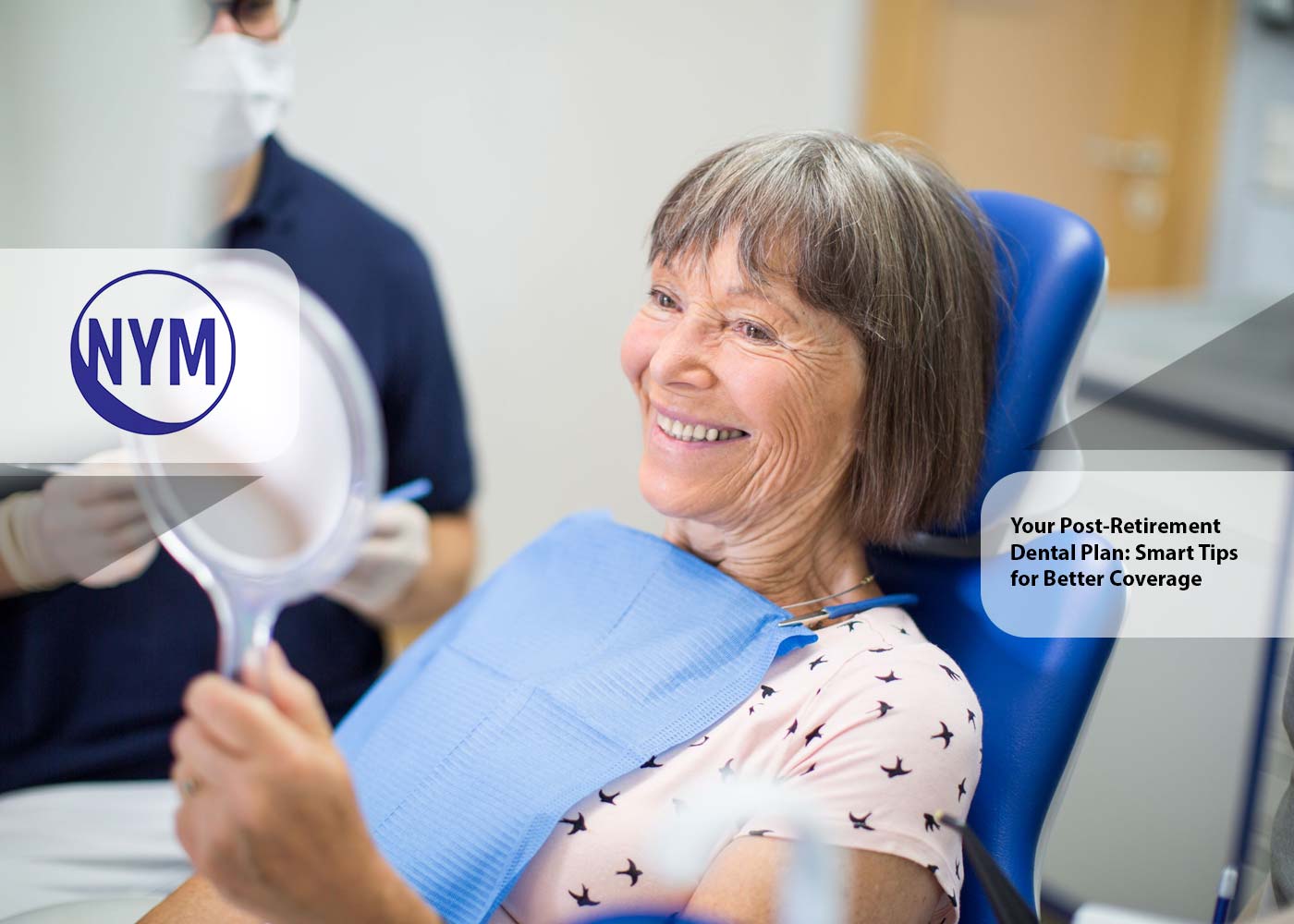
Your Post-Retirement Dental Plan: Smart Tips for Better Coverage
Key Takeaways
- Research and compare dental insurance plans tailored for
retirees.
- Look into dental savings and discount programs to save on
out-of-pocket costs.
- Maximize the value of preventive dental care to avoid
bigger procedures later.
- Check out dental schools and community resources for
low-cost services.
- Make regular dental check-ups a habit, not a chore.
Missing teeth can lead to self-consciousness and reluctance
to smile. Dental implants restore a complete smile, significantly enhancing
self-esteem. Individuals often report feeling more outgoing and comfortable in
social situations post-implantation. According to a study, 80% of dental
implant recipients experienced a boost in self-esteem and a positive impact on
their overall appearance. For veterans interested in dental health options,
it’s important to know who is eligible for VA dental care to explore potential benefits and support.
Understanding Your Dental Insurance Options
Employer dental benefits rarely extend into retirement,
making it important to act as soon as you know your retirement date. Many
private dental insurance plans are available specifically for retirees. These
usually feature different pricing and coverage structures than active-employee
plans, and may include annual limits on coverage or waiting periods for major
services. Carefully review each plan's coverage, and consider your dental
history and expected needs before enrolling. Exploring your eligibility for
public dental benefits, including VA dental care eligibility, can also unlock affordable options that fit your
circumstances. It is also helpful to compare multiple insurance providers and
read unbiased reviews from reputable sources, such as AARP or the American
Dental Association. These reviews can highlight potential deal breakers or
unique selling points of an insurance policy. This kind of research gives you
peace of mind knowing your coverage will actually work when you need it.
Exploring Dental Savings Plans
If traditional insurance premiums and coverage limits are a
concern, investigating dental savings or discount plans may be a good alternative.
These plans function much like membership programs, giving you access to lower
rates on dental services. Unlike insurance, there are no claims to file and no
annual coverage maximums, just straightforward savings each time you visit the
dentist. Even popular financial advisors, such as Suze Orman, recommend these
plans to seniors as a flexible way to control dental care spending.
Leveraging Preventive Care Services
Routine dental care is more than just keeping your smile
bright, as it’s a cornerstone of long-term oral health. Regular check-ups,
professional cleanings, and periodic X-rays allow dentists to detect cavities,
gum disease, and other issues in their earliest stages, preventing more
extensive and costly treatments later. Most private dental plans emphasize
preventive care, often covering exams, cleanings, and X-rays at 100 percent,
making it easier for patients to prioritize their oral health. Staying
consistent with recommended appointments not only protects your teeth and gums
but also helps maintain overall wellness, as oral health is closely linked to
heart disease, diabetes, and other systemic conditions. By keeping up with
routine care, you reduce the risk of emergency procedures, save money on
complex treatments, and enjoy the confidence of a healthy, vibrant smile for
years to come.
Utilizing Community Resources and Dental Schools
Affordability should never come at the expense of care
quality. Community health clinics and dental schools are excellent resources
for retirees, and they closely monitor spending. At dental schools, students
perform procedures under the supervision of experienced dentists, and rates can
be significantly lower than those at private practices. Community clinics often
serve seniors and offer sliding-scale fees. A simple web search can help you
find services in your local area or through directories maintained by the
American Dental Association and similar organizations.
Maintaining Regular Dental Check-Ups
Putting off a dental visit can allow minor problems to
become major ones. Consistent check-ups enable your dentist to notice subtle
changes in your mouth, monitor chronic conditions, and provide timely advice on
emerging issues. This proactive approach not only saves money but also
minimizes discomfort and recovery time if you do need treatment. Consider
setting routine reminders or scheduling appointments several months in advance
to stay consistent. According to the Mayo Clinic, regular dental check-ups are
an essential part of maintaining good health in your retirement years.
Negotiating Costs and Seeking Discounts
Communication is key when you experience financial stress
related to dental care. Many dental offices understand that seniors may be on
fixed incomes and offer a variety of options to make treatment more affordable.
These may include senior discounts, reduced fees for cash payments, or flexible
payment plans that spread the cost of procedures over time. When booking
appointments or reviewing treatment plans, don’t hesitate to ask your dentist
or office staff about possible savings, special promotions, or installment
options. Being open about your financial situation can help the dental team
suggest alternatives that maintain your oral health without causing unnecessary
strain. Dentists recognize the importance of keeping patients on a regular care
schedule, and most are willing to collaborate to find solutions that ensure you
continue preventive care, routine checkups, and any necessary treatments.
Proactively discussing finances reduces stress, helps you plan, and supports
long-term oral health while keeping your budget manageable.
Considering Health Savings Accounts (HSAs)
If you contributed to a Health Savings Account (HSA) while
working, those funds remain a valuable tool after retirement. You can use your
HSA for qualified dental expenses without triggering a tax penalty. While you
cannot add new contributions after enrolling in Medicare, the existing balance
can help pay for everything from preventive visits to certain restorative
procedures.
Conclusion
Retirement should bring comfort, not anxiety about health
care. By taking the time to explore insurance and savings options, using
community resources, and prioritizing preventive care, you can maintain your
oral health and keep costs under control. A little research and careful
planning will help you step confidently into your post-retirement years,
enjoying life with a healthy smile.




Comment on this article.