


What is the primary purpose of an automatic fire alarm system
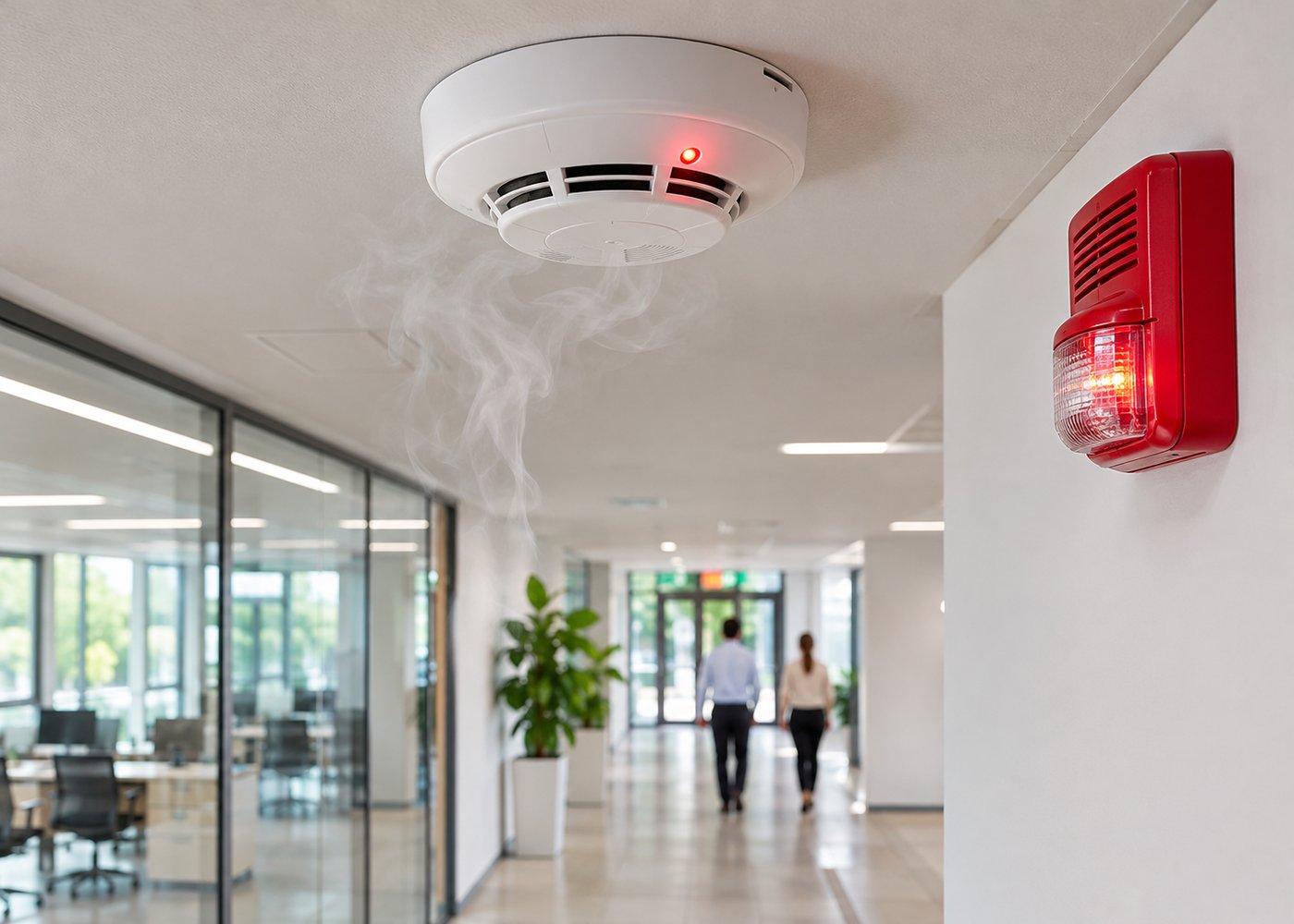
If you work in an office, run a shop or look after a building, you have probably walked past the panel by the entrance and the red call points on the walls without much thought. Then an alarm goes off, or you are suddenly put in charge of fire safety, and the question becomes practical: what is this equipment really for?
Here is the short answer. An automatic fire alarm system detects signs of fire and gives early warning, so people can take emergency action and reach safety. Anything else it does, such as alerting a monitoring station or closing doors, depends on how the system was designed and what arrangements are in place.
Early warning is the main job
Fire services describe the purpose in plain terms. Warwickshire Fire and Rescue Service's guidance on fire alarm systems says the primary purpose of an automatic fire alarm system is to tell people inside a building about a fire quickly, so they can escape safely. UK government guidance for sleeping accommodation makes the same point: the warning should come early enough for people to get out while escape routes are still clear of smoke.
The word "early" does the heavy lifting. Once smoke fills a corridor or stairway, that route becomes much harder to use. An alarm cannot stop a fire from starting and cannot put one out. What it can do is gain time by noticing the fire before a person would.
That matters most where a fire could grow unnoticed, such as a storeroom nobody visits for hours, or where people work alone and might not realize anything is wrong. It also explains why the alarm is only one part of the picture. OSHA describes automatic detection as something that reduces fire losses when it works alongside an emergency response and evacuation plan. Without people who know what the warning means and where to go, the noise on its own achieves little.
How an automatic fire alarm system works
Most systems follow the same sequence: something senses the fire, a control panel receives the signal, and warning devices alert the people inside.
Detectors sense different signs of fire
Automatic fire detection uses sensors that respond to products or features of fire instead of waiting for someone to notice it. The main types work in different ways:
- Smoke detectors sense particles from burning, including particles too small to see. Photoelectric and ionization detectors are the two main technologies.
- Heat detectors react when the temperature reaches a set level or rises quickly.
- Flame detectors watch along a line of sight for the light that flames give off, such as infrared, visible or ultraviolet radiation.
- Manual call points or pull stations let a person who finds a fire raise the alarm without waiting for a detector.
The fire alarm control panel decides what happens next
The fire alarm control panel watches all of these devices. When one reports an alarm, the panel switches on the warning devices. Depending on the design, it may also recall lifts, release door closers or start smoke control equipment. Batteries commonly provide backup power so the system keeps running if the main supply fails.
Panels differ in how much they can tell you. A conventional system shows which circuit or zone has activated. An addressable system gives each device its own identifier, so the panel can name the exact detector. Even so, that only tells you where smoke or heat reached a sensor, not the precise location or size of the fire.
The panel also reports more than fires. NFPA separates three conditions. An alarm signal points to a possible threat such as fire. A trouble signal means a fault in the system itself, such as a broken circuit. A supervisory signal means monitored equipment needs attention, such as a closed sprinkler valve. Trouble and supervisory signals are not fires, but they can mean the system will not protect people properly, so they need prompt action.
Warning devices reach the people inside
Bells, horns, speakers and strobe lights carry the warning as sound, light or both. For workplaces covered by US OSHA employee alarm rules, the warning must stand out above normal noise or light and be recognizable as a signal to evacuate or follow the emergency plan, and tactile devices can alert people who cannot recognize sound or light warnings. Other places set their own rules, but the idea holds anywhere: a warning only works if everyone can notice and understand it.
Warning, monitoring and sprinklers are separate jobs
Much of the confusion comes from treating three functions as one.
Occupant warning is the core job. Fire alarm monitoring is an extra arrangement: where it exists, the system sends a signal to a constantly attended station, and staff there contact the emergency services. Without it, the alarm may sound only inside the building. So, does a fire alarm call the fire department? Only if it is connected to monitoring, and even then local policies shape the response.
London is a good example. Since 29 October 2024, London Fire Brigade has not attended unconfirmed automatic alarm calls from most non-residential buildings between 7 a.m. and 8:30 p.m., while residential and other exempt premises kept attendance. That is one city's policy, but it shows that an alarm signal does not guarantee a fire engine. FDNY guidance for commercial premises tells people to call emergency services once they are somewhere safe and not to assume the fire has already been reported.
Fire suppression is the third job. Sprinklers and similar fixed systems are designed to suppress a fire, while the alarm system tells people it exists.
Smoke alarm vs smoke detector
A smoke alarm, the kind common in houses and apartments, is a self-contained unit that senses smoke and sounds its own warning. A system smoke detector sends a signal to the building's alarm panel and may make no sound at all. The detector is one part of the system, not the whole system. When you see a heat alarm or heat detector, ask the same question: does it sound its own warning, or does it report to a panel?
Example: a smoke alarm compared with a sprinkler
Imagine a small fire in a home that has both. The hallway smoke alarm senses smoke and beeps to wake the family. That is a warning and nothing more. A home fire sprinkler responds to heat and operates only at the fire, not across the whole house. Sounding an alarm does not normally set off every sprinkler. Some buildings link alarm outputs to specialized suppression setups, such as pre-action sprinkler systems, but that depends on the installed design.
An office storeroom shows the sequence
This is an illustrative scenario, not a real incident. An office keeps paper stock and old equipment in a back storeroom that staff rarely enter. One afternoon, smoke starts to build up inside.
A ceiling smoke detector senses the particles and signals the panel, which shows the storeroom device because the system is addressable. Bells and strobes start across the floor, and staff leave by the planned routes. If the building has monitoring, a signal also goes to the monitoring station. Once outside, the person named in the emergency procedure calls the fire service rather than assuming someone already has.
Nobody opens the storeroom door for a look. London Fire Brigade says no one should put themselves at risk investigating an alarm, and any checks should follow the fire risk assessment and emergency procedures.
Now change one detail. Warwickshire describes a storeroom turned into a staff kitchen, where cooking can trigger unwanted smoke-detector alarms. FDNY also lists dust, heavy steam and ceiling paint among common causes. The answer is to review whether the detector still suits the room, because repeated false alarms teach people to ignore the sound.
Three checks that make the system work for you
If you work in or manage a building, these steps turn the purpose into practice:
1. Understand the alarm instructions. Learn what the warning sounds and looks like, where the exits and assembly point are, and who calls the emergency services.
2. Find out about the monitoring arrangements. Confirm whether the system is monitored, who receives the signal and how your local fire service treats automatic alarms.
3. Keep the system maintained. Follow the applicable rules and manufacturer instructions, since no single testing interval suits every building. For systems covered by OSHA's detection standard, that means keeping them working, testing for reliability, cleaning where needed and using trained personnel. Fix trouble signals quickly, and have a backup way to warn people, such as runners or phones, when the system is out of service.
Our guide on how to maintain a fire alarm system covers routine care, and our look at recent advances in fire safety equipment shows how the technology is changing.
An automatic fire alarm system buys time. Clear instructions, known monitoring arrangements and good upkeep decide whether people use that time well.





Comment on this article.